Imagining Possible Futures in an AI-Powered World
I’ve always been obsessed with possibility and what the future could look like if we allowed ourselves more spaciousness, more imagination, and more courage to rethink the familiar. That instinct goes all the way back to childhood. As the daughter of an Asian tiger mom, I was encouraged to pursue any career I desired… as long as it was a doctor, lawyer or engineer. So when I started at Stanford, I dutifully chose computer science.
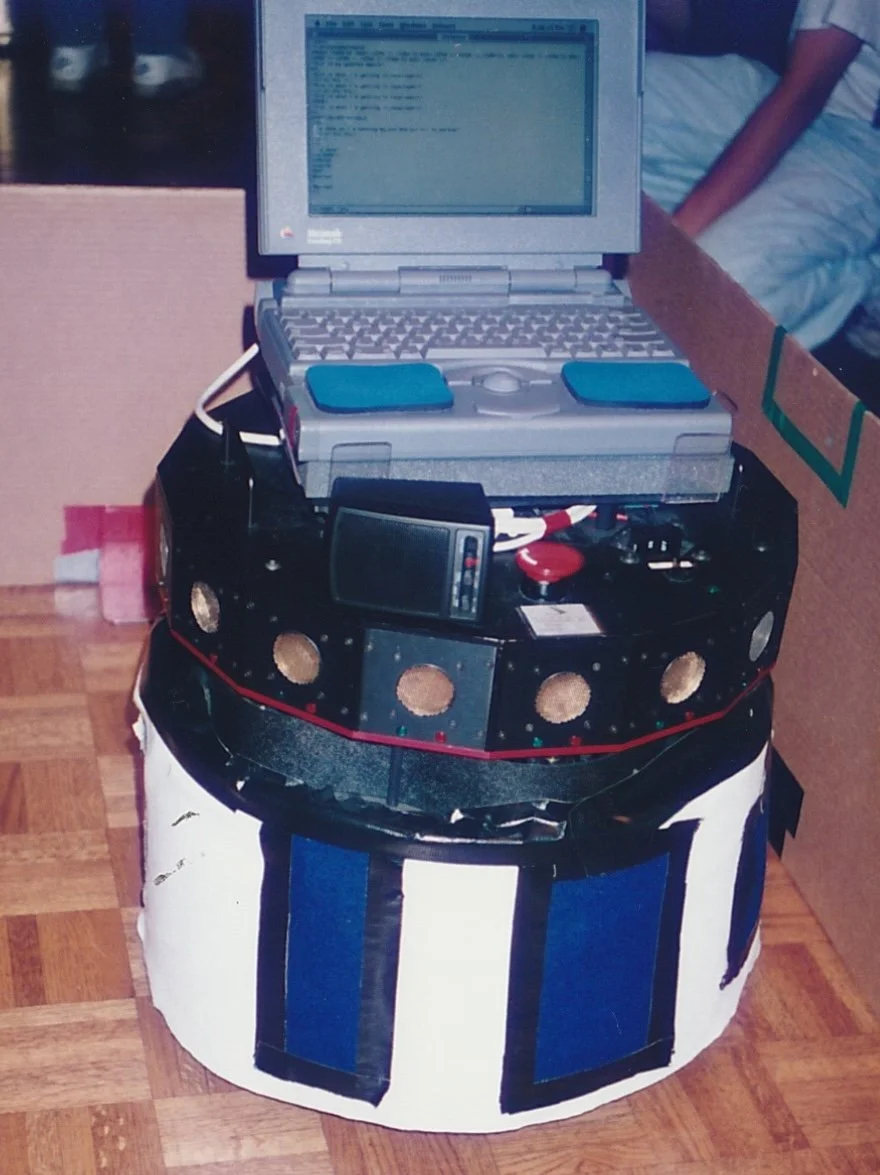
One of my early HCI projects at Stanford. Possibility looked a bit different in the 90s.
I was interested in technology and fascinated by systems, yet I quickly realized that my brain didn’t thrive on grinding through all-nighters coding or wrestling with first order logic. What I loved were the classes I took purely out of curiosity. Cognitive psychology. Linguistics. Philosophy of mind. The early days of AI.
One day I discovered that Stanford had a major that combined all of these: symbolic systems. My concentration was in human computer interaction with the goal of understanding how humans and machines think, communicate, and make meaning. Then building on that understanding to design interfaces that support creativity, capability, and joy.
That shift changed everything for me. It gave me the language to understand the relationship between people and technology. It became the foundation for my first career as a product designer, where my teams imagined possible futures for tech and media. We built prototypes and videos to explore how emerging technologies might help humans learn, connect, and express themselves more fully. Possibility was the job description.
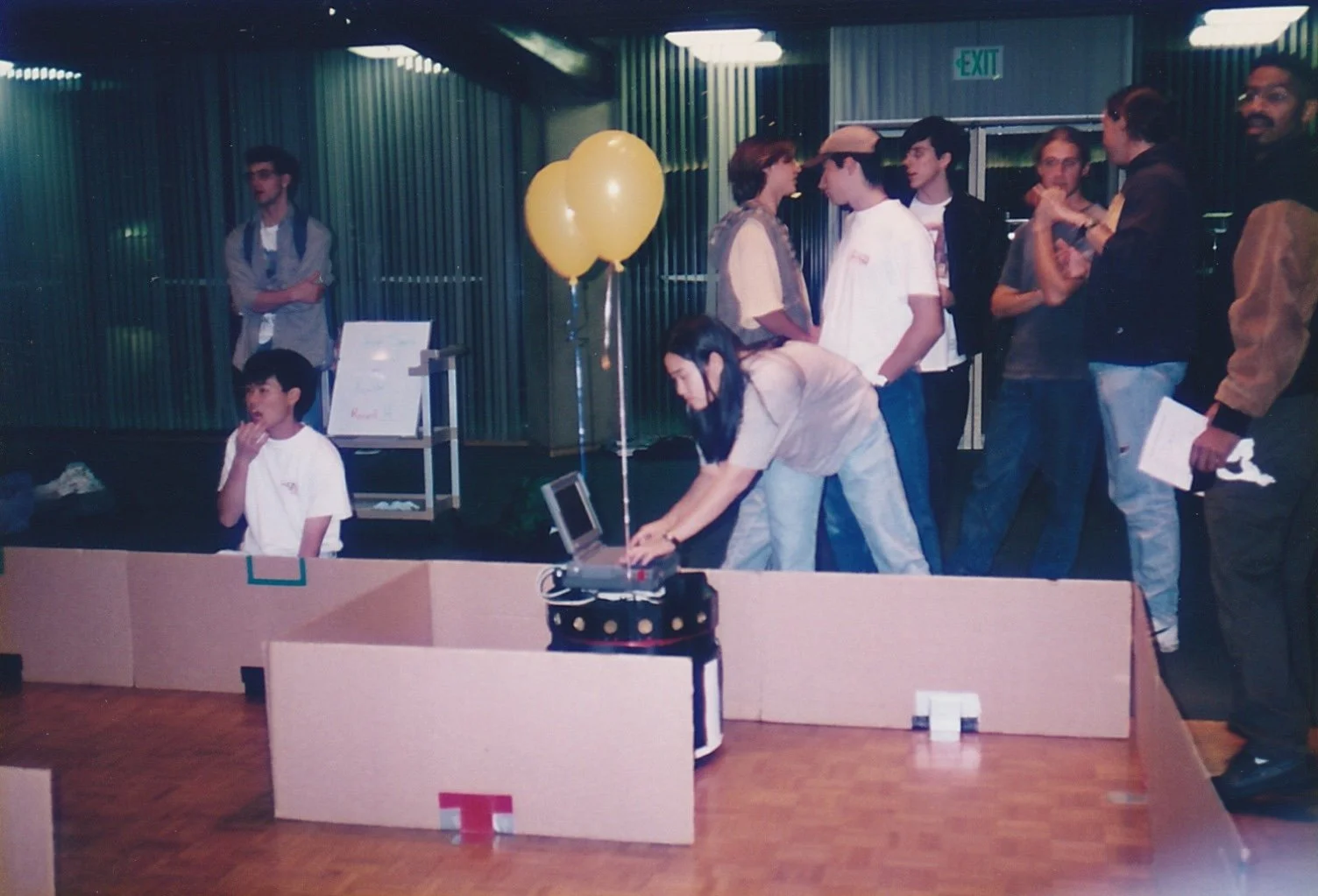
An unexpected relief of my coaching career is not having to navigate the ethical contradictions of building inside a complicated company such as Facebook. And yet AI brings its own contradictions. I believe in its potential to expand human creativity. I also know the compute power behind it is disastrous for the environment, especially in a country that is actively undoing climate progress. Holding both truths is uncomfortable, and I do not have all the answers.
Theme 1: In an AI era, relational skills matter more than ever
We are in a moment where AI is reshaping our work and our lives. Some of it feels thrilling. Some of it feels unsettling. And much like my symbolic systems days, the deeper question is not what the technology can do, but what it asks of us as humans.
In my coaching work I continue to see one truth.
People are promoted for their technical expertise, but they succeed because of their relational expertise.
Most of us learned how to design, code, write, analyze, and ship. We did not learn how to build trust, navigate conflict, or create psychological safety. Yet these human skills determine whether someone can actually lead, especially as technology takes on more of the tactical work.
Theme 2: Leadership skills are built the same way technical skills are. Through reps.
Across hundreds of coaching conversations, I see a pattern. People assume relational skills should come naturally. That they should instinctively know how to give feedback or set boundaries.
But leadership is learned the same way any technical discipline is learned. Through practice.
The first time you give hard feedback or enforce a boundary will feel awkward (and also be awkward). That awkwardness is not a sign you are bad at it. It simply means you are in the early reps of a new skill. We would never expect a novice engineer to be fluent in a new language on day one. Leadership deserves the same grace.
Theme 3: AI helps us imagine possible futures
One of the joys of my design career was the ability to prototype futures that did not yet exist. AI brings that same sense of possibility back into leadership. It gives us a safe space to explore different ways a conversation might unfold and to try out new approaches without the risk of real-world consequences.
Instead of seeing AI as a threat, I see it as a place to rehearse the future. A way to test tone, experiment with choices, and imagine who we might become as leaders. The tech is not perfect. The avatar’s voice is janky and it’s good enough for practice prospective scenarios.
As I look toward the end of the year, I feel grateful that this work allows me to integrate my two professional identities of designer and coach. The season invites reflection. I am choosing curiosity, experimentation, and the belief that the tools of the future can support the most human parts of our leadership.